Most Toronto homeowners should schedule a professional plumbing inspection at least once a year. However, older properties, homes with aging pipes, and houses with recurring plumbing problems may benefit from inspections every six months. Regular maintenance helps identify leaks, corrosion, drainage problems, and other issues before they develop into expensive repairs.
Plumbing problems rarely appear without warning. A small leak beneath the kitchen sink, a slow-draining bathtub, or inconsistent water pressure may indicate an underlying issue. Addressing these concerns early can help protect your property, reduce water waste, and extend the lifespan of your plumbing system.
For homeowners in Toronto, preventative maintenance is particularly important because seasonal temperature changes, aging infrastructure, and harsh winter conditions can put additional stress on residential plumbing.
1. Schedule a Professional Plumbing Inspection Once a Year
An annual plumbing inspection is a practical starting point for most residential properties.
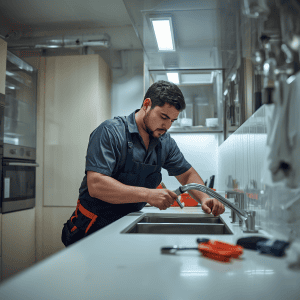
During a maintenance visit, a qualified plumber can examine important plumbing components and identify potential problems that may not be immediately noticeable.
A professional inspection should consider:
- Water supply pipes: Check for corrosion, leaks, loose connections, and visible deterioration.
- Faucets and fixtures: Inspect kitchen and bathroom faucets for dripping, damaged cartridges, and worn seals.
- Toilets: Check for running toilets, leaking connections, and deteriorating internal components.
- Drains: Look for slow drainage, recurring blockages, and signs of potential pipe problems.
- Water pressure: Identify unusually high or low pressure that could affect plumbing fixtures.
- Shut-off valves: Check whether accessible valves operate properly.
- Water heaters: Look for visible leaks, corrosion, and other signs that maintenance may be required.
An annual inspection provides an opportunity to address small concerns before they become disruptive plumbing emergencies.
2. Inspect Your Plumbing Before Winter in Toronto
Toronto winters can expose weaknesses in residential plumbing systems.
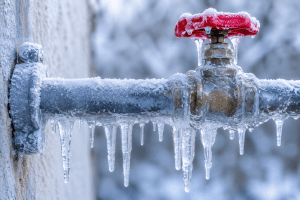
When temperatures drop below freezing, water inside vulnerable pipes can freeze and expand. This expansion increases pressure inside the pipe and may eventually cause it to crack or burst.
Before winter arrives, homeowners should consider scheduling a plumbing inspection in the fall.
A winter preparation inspection may include:
- Checking exposed pipes in basements, garages, and crawl spaces.
- Inspecting plumbing located near exterior walls.
- Identifying areas with insufficient pipe insulation.
- Checking outdoor faucets and hose connections.
- Examining vulnerable water supply lines.
- Looking for existing leaks that could worsen during colder weather.
Pay particular attention to pipes located in unheated areas. Even a properly functioning plumbing system can experience freezing problems if certain pipes are exposed to extremely cold conditions.
If your home has experienced frozen pipes before, ask a plumber whether additional insulation or pipe rerouting would provide better long-term protection.
3. Older Toronto Homes May Need More Frequent Maintenance
Toronto has many older residential properties with plumbing systems that have undergone decades of use.
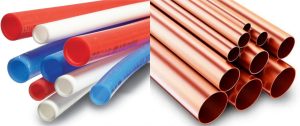
Depending on when a home was constructed and renovated, its plumbing may contain older copper, galvanized steel, cast iron, or other materials that require closer attention.
Older plumbing systems may develop:
- Internal corrosion and mineral buildup.
- Reduced water pressure.
- Deteriorating pipe connections.
- Recurring leaks.
- Drainage restrictions.
- Aging shut-off valves.
- Outdated plumbing materials.
Homeowners with older plumbing systems should discuss an appropriate inspection schedule with a licensed plumbing professional. If you have inherited an older property or recently purchased a home, consider arranging a comprehensive plumbing assessment before problems arise.
4. Plumbing Maintenance Schedule for Toronto Homeowners
How frequently should you inspect different parts of your plumbing system? The following schedule provides a practical maintenance guide.
General plumbing inspection — Annually
Faucets and visible connections — Every 3–6 months
Toilet operation and leaks — Every 3–6 months
Visible supply pipes — Every 3–6 months
Drain performance — Every 3–6 months
Outdoor faucets — Before winter
Exposed pipes and insulation — Every fall
Water heater — According to manufacturer guidance
Older or previously problematic pipes — Every 6 months or as advised
These are suggested homeowner maintenance intervals, not mandatory inspection requirements. The appropriate schedule depends on the age, condition, and design of your plumbing system.
5. Warning Signs That Your Plumbing Needs Attention
You do not have to wait until your next scheduled inspection if something appears wrong.
- Unexplained increases in your water bill: A sudden increase may indicate a hidden leak or continuously running fixture.
- Low water pressure: This may result from mineral buildup, a leaking pipe, or a problem with the water supply.
- Slow-draining sinks and tubs: Persistent drainage problems may indicate buildup or a blockage inside the drainage system.
- Water stains on walls or ceilings: Discolouration, bubbling paint, or damp surfaces may indicate a concealed plumbing leak.
- Unusual pipe noises: Banging, vibrating, or whistling sounds may point to pressure or pipe-support issues.
- Recurring toilet problems: Constant running, leaking around the base, or repeated flushing issues may require professional attention.
Ignoring these warning signs can allow relatively simple repairs to develop into more expensive problems.
6. Why Professional Plumbing Maintenance Is Worth the Investment
Preventative plumbing maintenance is about more than fixing leaks. It helps homeowners understand the condition of their plumbing system and make informed decisions about future repairs.
Regular inspections can help:
- Reduce the likelihood of unexpected plumbing emergencies.
- Identify leaks before they cause extensive water damage.
- Maintain consistent water pressure.
- Improve the reliability of plumbing fixtures.
- Identify aging components that may need replacement.
- Avoid unnecessary water waste.
- Protect the long-term condition of your property.
Although maintenance involves an upfront cost, addressing developing issues early may prevent more expensive repairs later.
Choose Leaside Plumbing and Heating for Plumbing Maintenance in Toronto
Keeping your plumbing system in good condition starts with choosing a qualified professional who understands the needs of Toronto homes.
Leaside Plumbing and Heating provides plumbing repair and maintenance services to homeowners in Toronto and surrounding East Toronto neighbourhoods.
Whether you need help investigating a small leak, addressing recurring plumbing issues, inspecting aging pipes, or maintaining your residential plumbing system, professional assistance can help you avoid unnecessary complications.
Do not wait until a minor plumbing concern becomes an emergency.
Schedule your plumbing maintenance in Toronto with Leaside Plumbing and Heating.